Brain Parking: Creating an Inner Place You’d Actually Want to Be


Would you park your car in a messy alley if you didn’t have to?
So why do we keep parking our brains in the same cluttered, stressful loops?
Most of the time, we allow a constant flow of thoughts—words, images, quick mental glimpses—to flood our internal world without realizing it. Worry, replay, anticipation, urgency, self-criticism—our mind keeps circling familiar routes.
But what if we could be more active participants in shaping our internal climate?
We can move through life mostly reacting to every shift in internal “weather,” or we can participate more intentionally and help design the flow.
Our inner climate is complex and shaped by many interacting systems—physical, cognitive (thoughts), emotional, social, and functional. Some of this is simply human nature: the way the mind works, scans, anticipates, and reacts. Some of it comes from experience, history, and culture. The mistake is not having these patterns—it’s believing we have no way to influence them. We do.
Research in psychology and neuroscience consistently shows that attention, language, mental imagery, and sensory input influence emotional regulation and stress response. Foundational work on attention (Posner), emotion regulation (Gross), mental imagery (Kosslyn), and sensory integration (Ayres) shows that what we repeatedly focus on shapes how the system learns to respond over time.
This is where brain parking comes in.
The Brain Parking Exercise
Step One: Create Three Columns

Take a piece of paper, or use your phone. Draw two lines so you have three columns. The format really doesn’t matter.
Take a piece of paper, or use your phone. Draw two lines so you have three columns. The format really doesn’t matter.
Column 1: Brain Parking Lot (Words & Sensations)
This column is where you list words and sensations that help your system settle.
Words and physical qualities—such as acceptance, allowed, rhythm, or softening—can signal the brain and nervous system that they don’t need to brace or stay on high alert. This isn’t about forcing positivity; it’s about noticing what softens you, even slightly.
As you build this list, pay attention to your body’s response. A word that feels neutral or comforting to someone else may do nothing for you, while something unexpected may create space or relief. Trust your own associations.
This column is for words and felt sensations—textures, temperatures, weight, rhythm.
Examples:
Calm
Neutral
Yes
Light
Lightness
Expansion
Rest
Soft
Warm
Smooth
You can also include sensory experiences such as:
The feeling of cake batter between your fingers
Soft sand under your feet
Sun on your skin
A soft blanket
If it reduces tension or brings even a small sense of ease, it belongs here.
Column 2: Neutral Parking

This column is for neutral parking. In this space, you mostly leave it clear. You can color it lightly or write a single syllable—something that represents white noise, a whiteboard, or nothingness.
This is not a place to add positive images. It’s simply a place to create coolness or complete nothingness.
Sometimes the system doesn’t need better input—it needs quieter input. Neutral parking offers a place to step out of internal noise without replacing it with imagery or meaning. It can be especially helpful when things feel crowded or overstimulated.
You might leave this column mostly empty, or represent it with something simple and neutral:
Clear space
White noise
A blank screen
A single neutral sound or syllable
This column cools the system through absence rather than content.
Column 3: Image Parking

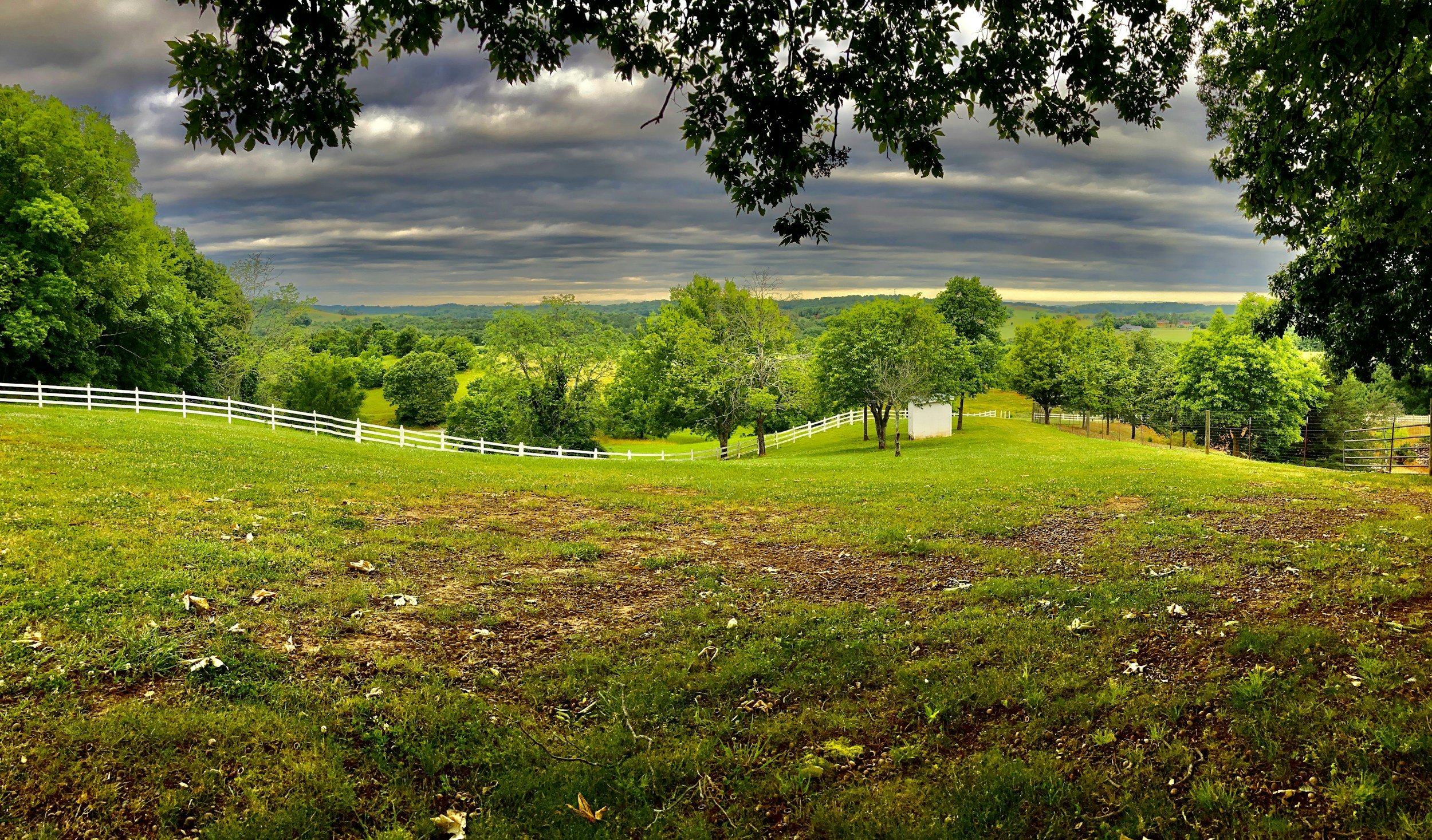





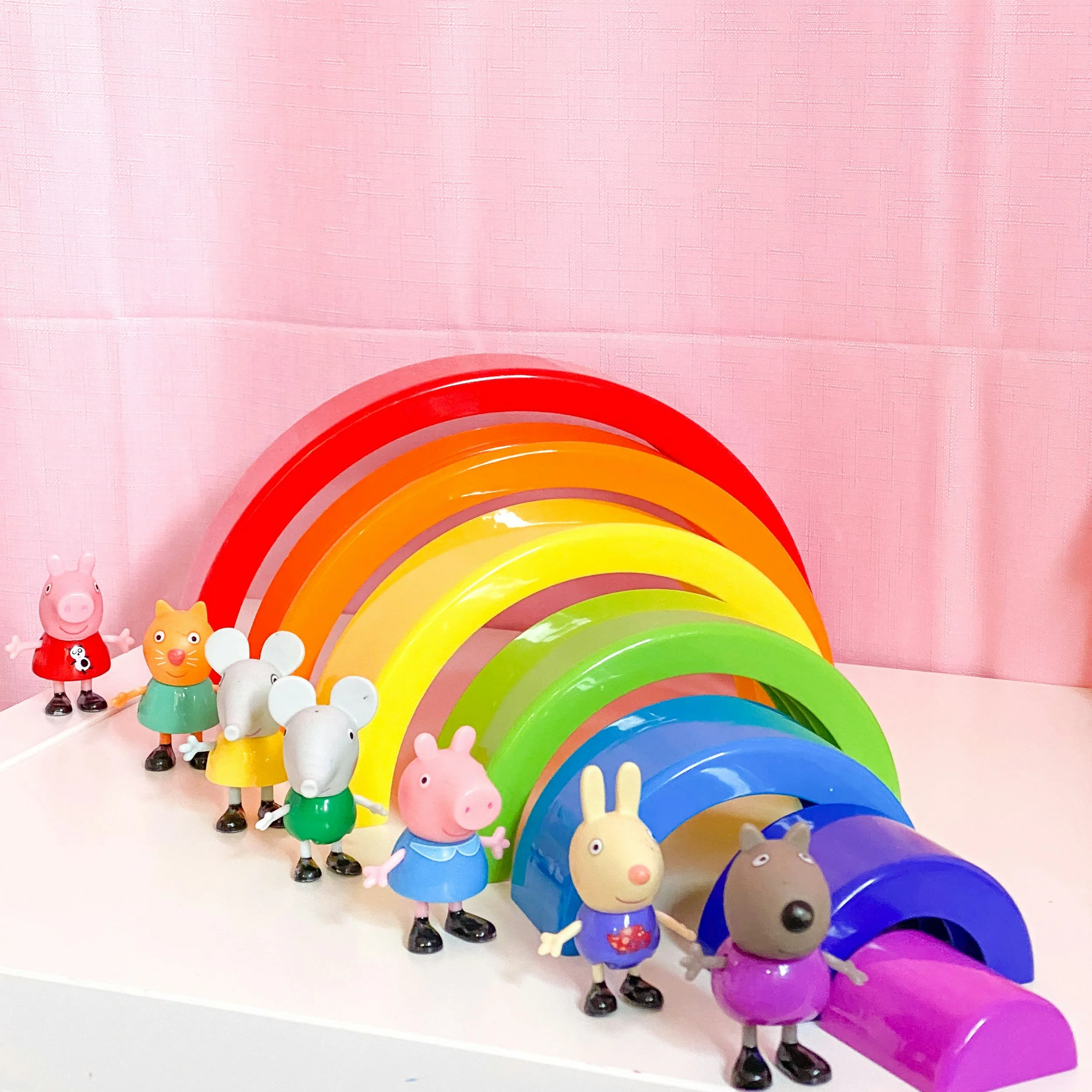

This column works through visual language.
Images can communicate steadiness and safety without words. Certain visuals allow the system to shift out of urgency naturally, without effort or analysis.
Choose images that feel simple and regulating rather than emotionally charged or symbolic. Let the image do the work quietly.
Here, focus only on what you see.
Examples:
A quiet landscape
Light coming through a window
Water moving slowly
A simple, peaceful scene
If the image gently signals “it’s okay to slow down,” it belongs here.
From Destination to Practice: How to Use Brain Parking
Once you’ve created your list, think of it like putting a destination into a navigation app. Knowing where you want to go isn’t enough - you still have to drive there.
Reactive use:
When you notice system overload - feeling triggered, anxious, reactive, or upset - intentionally park your brain in a different lot. Choose words, neutral space, or images that help shift the internal climate.
Proactive use:
Don’t wait for stress. Train your brain when nothing is wrong.
Even one or two minutes a day of brain parking builds familiarity and new pathways.
Notice what works best for you:
Words, empty space, or images?
What time of day?
For how long?
You can add reminders if helpful—predictability often makes regulation easier over time.
Good luck. And if you want to share your experience or have questions, I’d love to hear.